
Childhood sexual abuse has tremendous long-term emotional, psychological, sexual and relational effects on the survivor. Healing from childhood sexual abuse is possible.
The impact of child sexual abuse in adult survivors are:
Low self-esteem or self-hatred
Depression
Guilt, shame and blame. Survivors often feel guilty because they think they attracted the abuser, or they made no attempts to stop it. They can also feel a lot of shame because they experienced physical pleasure when erogenous zones were touched.
Sleep disturbance. The trauma of sexual abuse may create a lot of anxiety, which disturbs sleep. The bedroom may also be a traumatic place if the abuse occurred in the child's own bed.
Lack of trust for anyone. Many survivors were betrayed by the very people that were supposed to love and care for them (family, teachers, etc.) who insisted they loved them even whilst abusing them. It is not surprising that learning to trust someone as an adult can be extremely difficult.
Re-victimisation. Many survivors find themselves in abusive relationships or dangerous situations.
Flashbacks. Many survivors re-experience the sexual abuse as if it were occurring in the present moment. This is usually accompanied by images of the abuse. These flashbacks are often triggered by an event, every day actions such as the touch of a hand, or smells that remind the survivor of the sexual abuse.
Dissociation. This is a process where the mind detaches itself from the experience because it is too much to process at the time. This loss of connection to thoughts and feelings is a coping mechanism, but it can affect the survivors' life by repressing feelings.
Sexuality and intimacy problems. Many survivors have to deal with the trauma that their first sexual experience was an abuse. Survivors can have sexual dysfunctions such as vaginismus (impossible to have penetrative sex), erectile dysfunction, sexual shame. Gay men who have been abused by men in childhood may also experience a lot of shame about their sexual orientation. Heterosexual men that have been abused by men may feel that their masculinity has been compromised. Survivors also experience difficulties being intimate with their partners as adults.

'I have come to believe that caring for myself is not self indulgent. Caring for myself is an act of survival'
Audre Lorde
Sexual violence is any sexual act or attempt to obtain a sexual act by violence or coercion. It includes unwanted sexual comments or advances, acts to traffic a person or acts directed against a person's sexuality, regardless of the relationship to the victim. It is widespread and is considered to be one of the most traumatic, pervasive, and most common human rights violations.
I specialise in male victims of sexual violence.
Coming out also applies when we start to think about our gender. The process of questioning our gender is often misunderstood, leaving people feeling isolated and open to humiliation and bullying by others.
The process of coming out begins when we start to recognise our attitudes and feelings towards our own sexuality and gender. Comparing ourselves to the social and family ‘norms’ governing aspects of our lives, it may seem that our sexuality or gender is ‘abnormal’ or ‘deviant’, especially as our world is filled with heteronormative messages about what people believe to be ‘normal’ and ‘right’.
Psychotherapy will help you challenge these social conditionings and enable you to decide for yourself what is right for you. I provide a humanistic, non-judgmental, safe space for you to explore your sexuality, sexual feelings and gender identity in depth in order for you to make sense of it all. This process will enable you to make choices for what is best for you, including steps and strategies for coming out, and the considerations to keep safe.
As a psychosexual & relationship therapist and a trauma therapist, I often work with the trauma of sexual violence, and I have seen change and healing happen before my eyes.
It is important not to stay silent. It is important to heal. Healing is possible. When it happens, it is the most precious gift that you can give to yourself and an act of love to your body.

'Fairy tales are more than true: not because they tell us that dragons exist, but because they tell us that dragons can be beaten'
G.K.Chesterton
What is childhood neglect?
Child neglect, or child abuse, refers to any behaviour by parents, caregivers, other adults or older adolescents that implies a significant risk of causing physical or emotional harm to a child or young person. Such behaviours may be intentional or unintentional.
Child abuse and neglect include:
Physical abuse
Emotional maltreatment
Emotional neglect, including withdrawing of care.
Sexual abuse
Witnessing family violence
The consequences of experiencing child abuse and neglect will vary considerably. For some adults, the effects of child abuse and neglect creates significant psychological disturbances. In other adults, the effects are less debilitating. It often depends on the frequency and duration of maltreatment and if more than one type of maltreatment has occurred. It also depends on who the perpetrator(s) were.
Chronic maltreatment is defined as "recurrent incidents of maltreatment over a prolonged period of time" (Bromfield & Higgins, 2005).
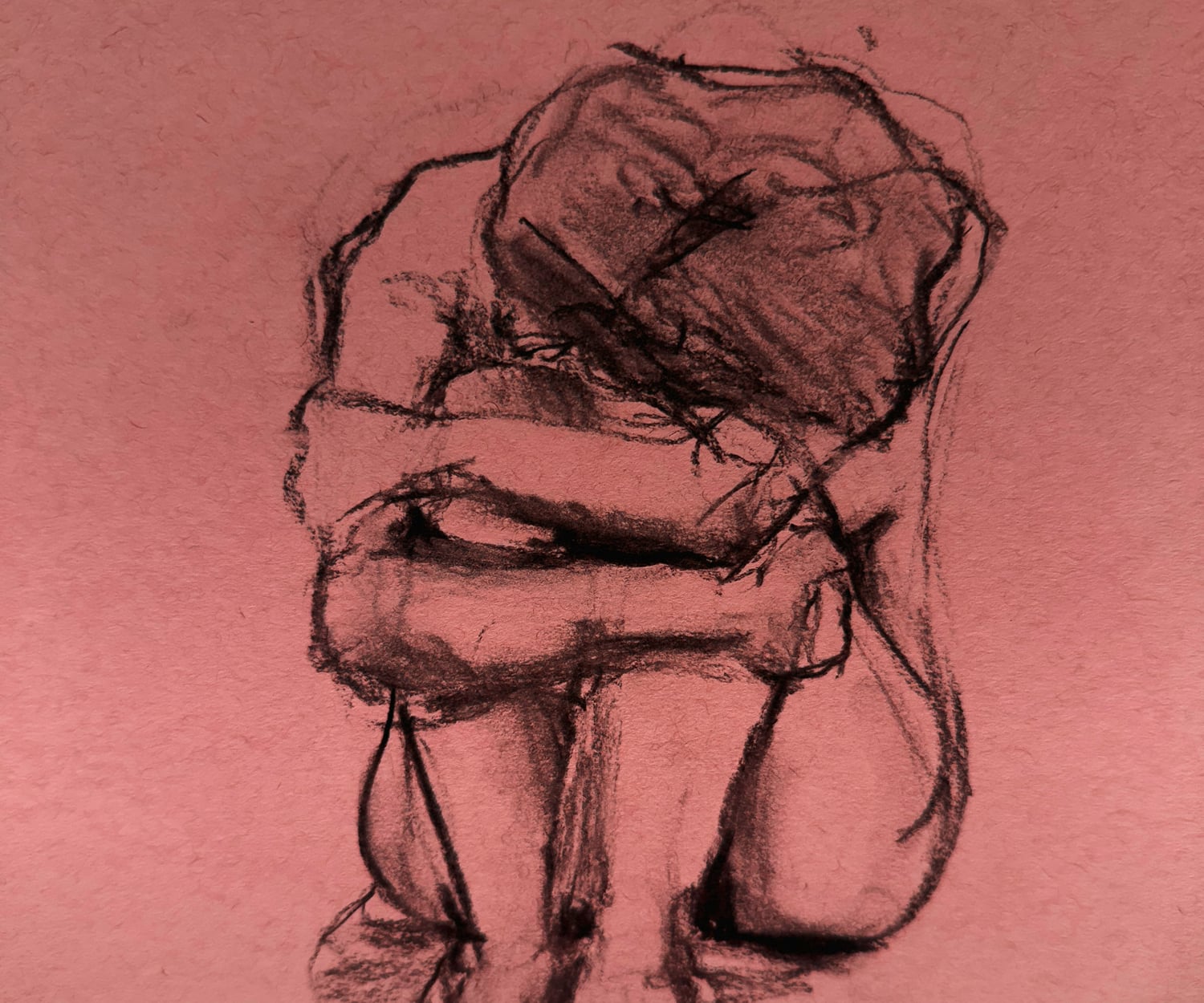
A trauma is a single life event, or a series of life events that were disturbing or non-nurturing and has a long lasting psychological impact on the person causing the loss of functions such as, for example, keeping a job or social relationships.
There are four types of traumas:
Incidents that threatened the person's life, or was perceived as threatening the person's life.
Witnessing acts of violence.
Hearing or seeing the death of someone close to the person.
Sexual abuse.
Other types of traumas: Relational Trauma
A relational trauma is a trauma that is particularly inflicted on one person by another, and is characterized by a “violation of human connection.” (Herman, 1992). Relational trauma, often called attachment injuries, occurs when one person betrays, abandons, or refuses to provide support for another person with whom he or she has developed an attachment bond.
Research in traumatology reveals that untreated trauma disrupts the nervous system and significantly alters the brain functioning. Untreated trauma is the underlying cause of many mental health and behavioural disorders including depression and addictions. Untreated trauma can remain undiagnosed for years. Often, trauma has its roots in early childhood development. An event in later life can trigger mental and physical symptoms that become distressing and overwhelming for the individual.
People trying to cope with unresolved psychological trauma often resort to self-medicating with substances such as alcohol and drugs or with behaviours such as eating disorders, sex, gambling. These coping mechanisms often have an impact on the person’s relationships and sexual life, which means that many people with unresolved trauma find it difficult to maintain healthy and stable relationships.
Without treatment, it is difficult to recover from the effects of unresolved trauma and its lasting impact on the mind and body.
'The wound is the place where the light enters you'
Rumi
PTS stands for Post-Traumatic Stress.
PTSD stands for Post-Traumatic Stress Disorder.
The symptoms of PTS are:
Re-experiencing the traumatic event in a range of sensory forms. This phenomenon is called a flashback.
Avoiding reminders of the trauma by avoiding or numbing emotions. In some cases, we call it dissociation.
Chronic hyperarousal of the nervous system. This is called dysregulated arousal.
It is important to note that these symptoms are normal to experience immediately after traumatic event. If some of these symptoms persist one month after the traumatic event, a diagnosis of PTS can be formulated. It is also important to remember that not everybody who has survived a traumatic event will develop PTS. Some people never do.
When the symptoms of PTS are chronic, they can lead to psychological disturbances such as:
Acute anxiety and panic attacks.
Sleep disturbances.
Loss of appetite.
Sexual dysfunctions.
Difficulties with concentration.
Difficulties with relationships.
PTSD is a specific psychological condition. It manifests with the same symptoms as PTS but it is more severe causing a high level of daily dysfunction.
Both PTS and PTSD can be treated with specific psychological trauma therapy.

Many mental health problems have its roots in untreated trauma and its deep-seated psychological disturbances.
Unresolved trauma requires specific trauma-focused treatment. I am specifically trained to treat trauma. In my modality, I work towards regulating and restoring the emotional and psychological balance without re-triggering the nervous system with the traumatic materials.
My trauma therapy modality is integrative, which means that I use a range of psychological interventions to suit the client best.
My main modalities and interventions are:
EMDR (Eye Movement Desensitisation and Reprocessing)
Body-Psychotherapy (Regulation of the nervous system)
Transformational Chairwork Therapy
Inner Child Therapy
CBT (Cognitive Behavioural Therapy)
Transactional Analysis
Gestalt
Psychodynamic
Trauma therapy works in three phases:
1- Symptom reduction and regulation.
2- Processing traumatic memories.
3- Consolidation and integration.
Trauma resolution works in addressing the past, the present and the future.
It is important to note that generic talking therapy is often not sufficient to resolve trauma. It is necessary to employ trauma-focused therapy for trauma resolution.

EMDR stands for Eye Movement Desensitization and Reprocessing.
It uses the natural healing functions of the brain to heal itself.
Old disturbing memories are stored in the brain in isolation. This prevents learning and healing from taking place. The old distressing material just keeps getting triggered over and over. In another part of your brain, you already have most of the information you need to resolve this problem; the two just cannot connect. Once EMDR starts, a linking takes place. New information can come to mind and resolve the old problems.
It allows for the rapid re-processing of traumatic memories into a functional state.
EMDR has received the most positive outcome in research with 30 worldwide randomised controlled trials. Five out of seven indicates that EMDR is most effective to treat PTS and PTSD.
EMDR is now the recommended treatment for trauma in the UK by The National Institute for Health and Clinical Excellence (NICE) (2005)
The Flash Technique
The Flash Technique is a branch of EMDR which helps reduce disturbances associated with traumatic and distressing memories. This effective intervention is "gentle" because people can process their traumatic memories without talking about it in length or even consciously engaging in the traumatic memory.
I hold a certificate in The Flash Technique.
For more information on the Flash Technique: click here
Transformational Chairwork
I often practice Transformational Chairwork Therapy as part of trauma therapy.
Chairwork in a powerful therapeutic method addressing deep level of trauma re-processing. It can be used specifically for relational trauma, sexual abuse, neglect in childhood, healing after an affair, and the Inner Child therapeutic process. There is a variety of ways that Chairwork can be used, it is a dynamic method with therapeutic guidance which provides healing and long-lasting positive changes.